
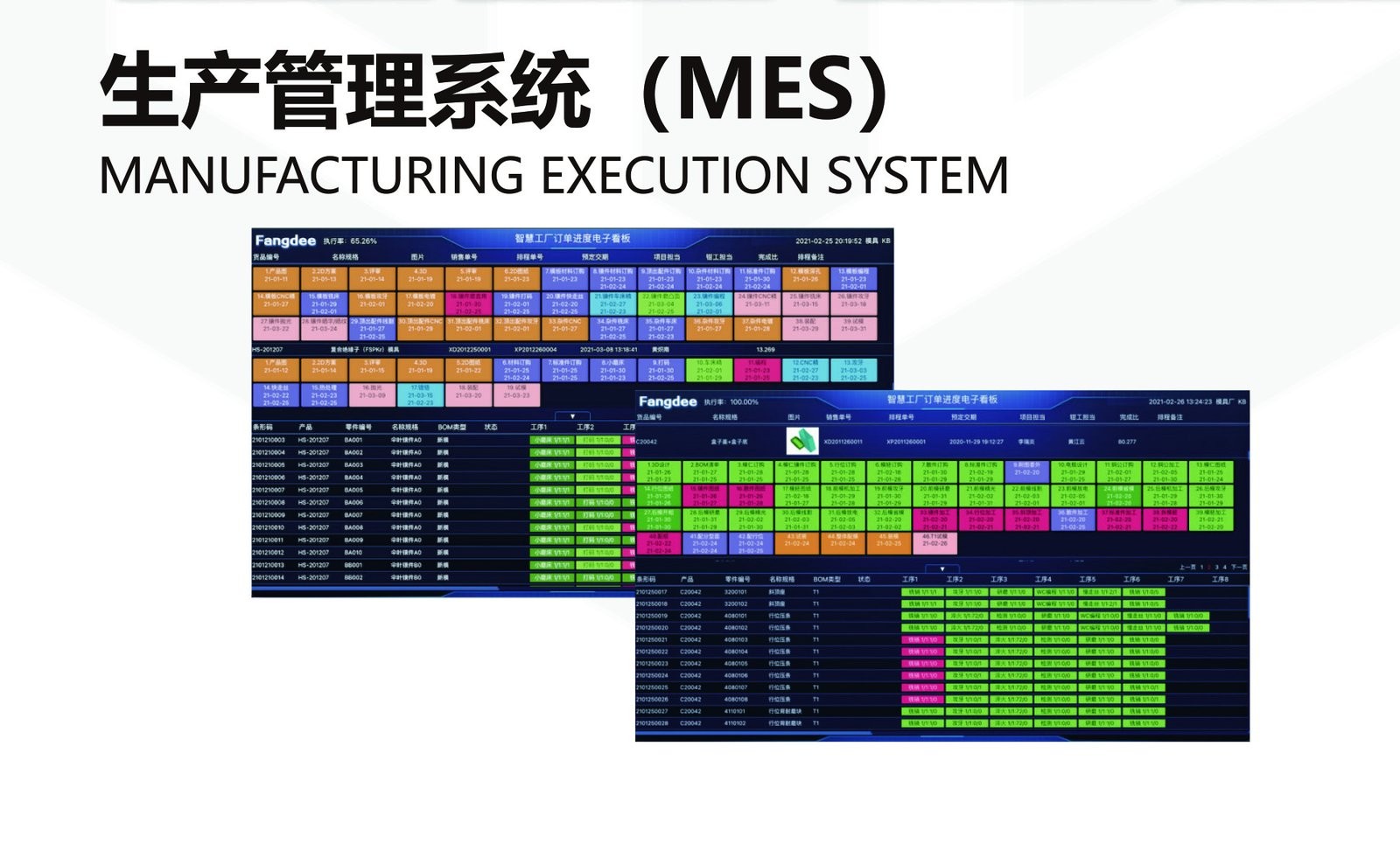
Ask a milling service for a lead time and you receive a number that is really a summary of an order book. Behind that number sits a sequence of distinct waits — the program being prepared, the fixture being built, the spindle becoming free, the inspection room taking its turn, and the dispatcher finding the freight — and your part moves through them one at a time. Each wait has its own queue, and the longest one owns your delivery date. This guide unpacks the five waits so that a quoted date can be read like a map rather than accepted like a weather forecast, and so that a buyer who needs the date moved knows which queue to attack.
Why is a milling lead time really an order-book story?
A machining center cuts one job at a time, and the jobs ahead of yours form a queue that no amount of quoting can wish away. When a shop quotes a delivery date it is doing two calculations: where your order sits in the current book, and how much work your part will need once it reaches the front. The first calculation is about other people's orders and the shop's utilization; the second is about your geometry and its route. A date is realistic when both calculations are done with the shop's actual book in front of it, and guesswork when either is a habit.
The practical question that follows is simple to ask and revealing to answer: where does my order sit in the sequence, and what is booked after it? A shop that can name the jobs ahead of yours, the machine that will run it and the week it reaches the front is quoting from its book; one that offers a duration without a position is quoting from a template. Buyers rarely ask this question, which is why so many orders arrive to find their real date is the template date plus a queue they were never shown.
Which of the five waits usually owns the delivery date?
The five waits are program preparation, fixture building, the spindle queue, inspection, and dispatch, and the one that owns your date depends on the kind of order you place. For a repeat part of an established geometry, the program and fixture already exist, so the spindle queue is the binding wait and the date tracks the shop's loading. For a new part, the program and fixture are the front of the schedule, and their preparation can be the longest leg even when the machining itself is short. For a part with a dense tolerance story, the inspection wait grows and can rival the machining.
Knowing which wait is longest changes how you watch the order. If the spindle queue owns it, the material should arrive early enough to hold its slot and the date tracks the machine's availability. If programming owns it, the drawing quality and the speed of your clarifications decide the front of the schedule. If inspection owns it, the report format and the metrology load matter more than the machine. Ask the shop which wait is longest for your specific order, because the answer tells you where a slip would appear first and where a small intervention would buy the most.
How much does fixture design change the schedule for a milled part?
A prismatic part is machined from more than one orientation, and each orientation after the first needs the part to be located accurately enough that the features cut in different setups sit in the right relationship. For simple geometry a standard vise and parallels handle most parts, and the setup is measured in minutes. For a part with awkward geometry, thin walls that must not distort under clamping, or features on faces that need precise angular relationships, a custom fixture is the honest solution, and building it is real time before the spindle is ever occupied.
Fixture work belongs at the quoting conversation rather than discovered later. Ask whether the part can run in standard work holding or needs a dedicated fixture, what the fixture will cost, and when it will be ready. A part that looks like a short run can hide a week of fixture design and machining behind it, and a buyer who only hears the machining estimate will be surprised by the first article's date. The fixture is also a repeat asset: once built for a recurring part it amortizes, and the second order carries the schedule benefit of a fixture that already exists.
Fixture thinking also decides how much of your order runs per setup, and that number sits inside the schedule. A fixture that holds one part ties the spindle to one cycle per part; a fixture that nests several identical parts, or a tombstone that holds several orientations at once, lets the machine run longer between operator interventions. On a part whose run is measured in dozens, the difference between single-piece and nested setups can be a full shift of spindle time across the order, and on a part with short cycle times it decides whether the run finishes in hours or days. Ask how many parts per setup the shop plans and whether the geometry allows nesting, because the answer is a line in the calendar that the drawing itself often controls.
What does tooling preparation add to a milling program start?
Every operation in a milling program is executed by a cutter, and every cutter has to exist, be preset to the right length, and be verified before the job starts. A program with a dozen tools takes longer to prepare than one with four, and a special tool — a long-reach end mill, a form cutter, a thread mill for an unusual pitch — has to be sourced before it can be preset. A shop that prepares tooling while the material is arriving overlaps two waits; one that begins tooling only when machining is scheduled adds the full preparation block to the front of the calendar.
The buyer's influence on the tooling wait is exercised at the drawing. Features that can be cut with standard catalog tools start immediately; features that require special tooling carry a sourcing lead. A corner radius at a standard end-mill size, a thread form available as a standard insert, and a pocket width that matches common cutter diameters all keep the job on standard tooling. The DFM review should name any feature that forces a special tool, because that single line on the review is a schedule input as much as a cost input.
How long should I plan for program validation on a new part?
No new milling program runs correctly the first time without a check. The program is simulated or dry-run to catch collisions and obvious errors, the first piece is cut, and its critical features are measured against the drawing. The measurement usually shows offsets that need adjustment, and the first article is re-cut or re-measured until it sits on nominal. That validation cycle is a fixed cost of every new geometry, and it typically occupies at least a shift and often longer on a complex part with many operations.
The validation cycle is also where the quality of your drawing is repaid or punished. A drawing with a clear datum structure and named tolerances lets the programmer set up the offsets and inspection correctly on the first attempt; a drawing that leaves the tolerance story vague produces a first article that reveals the ambiguities one at a time, each requiring a clarification round. The fastest first-article in the shop belongs to the buyer whose drawing answered every question before the program was written, and the slowest belongs to the buyer whose drawing raised questions the program could not wait for.
The validation gate is also the moment where a drawing freeze pays its keep. A program that is validated, measured and approved at a released revision carries that approval forward for every later run of the same revision; a part whose drawing keeps moving after the first article is validated forces the shop to re-run the validation cycle on each change, and each re-run displaces other work in the book. The order book is not only a queue of customers; it is also a queue of revisions, and a part that cannot hold its revision is a part that keeps re-entering the queue it just left. Freezing the geometry at the point the first article is approved is the single most effective way to keep a milling order from paying its setup, its validation and its queue position more than once.
How does inspection sit between machining and dispatch?
A milled part is finished when the machine stops, but it is releasable only when the measurement says so. The critical features are measured on the CMM, the surface callouts on the finish equipment, and the report is written against the drawing before the parts move to dispatch. The metrology room has its own queue, and on a week when inspection is loaded, parts that finished machining wait for their measurement turn. Buyers who count only the machining time routinely underestimate this block, because the part looks done while it is still in the inspection queue.
The way to plan the inspection block is to name it. Ask what the inspection package will contain — the dimensional report, the material certificate, any finish records — and when it will be ready relative to the last machining operation. A report format agreed at quoting removes the drafting round; a metrology plan that runs the critical features in one CMM program removes the re-fixturing between measurements; and a buyer who knows the inspection date knows the real release date. The inspection block is where many schedules quietly grow, and it is the block most worth naming explicitly in the plan.
How can I compress a milling schedule without harming the part?
Compression on a milling order is achieved in the waits, not in the cuts, because the cutting time is set by the geometry and the material and is rarely where days are hiding. The waits compress through parallel work and early decisions. Freeze the drawing revision and the material before order release so programming and stock run at the same time; let fixture and tooling decisions be made at quoting rather than after the order; provide the inspection format early so the report is written once; and confirm the freight pickup window before the parts reach dispatch so the crate does not wait for a booking.
There is a second kind of compression that only the buyer can apply, and it happens on the drawing. A feature that removes an operation removes that operation's share of the program, its tooling, its setup and its inspection; a tolerance relaxed on a feature that does not control function shortens the finishing passes and the metrology time. The DFM review at quoting is where these cuts are found, and the buyer who applies them is compressing the schedule at its source rather than at its margin. The services page on this site explains how milling routes are planned around these waits, and the quality page shows how the inspection block is managed and reported. A delivery date read as a position in an order book, tracked through five named waits, and compressed at the waits rather than the cuts, is a date that survives contact with the shop floor instead of a number that arrives with an apology.
Frequently Asked Questions
Why is a milling lead time really an order-book story?
Because a machining center cuts one part at a time, and every order ahead of yours sits in the same book. The quoted date is your position in that book plus the work your part needs when its turn arrives. A shop that names your position is giving a real date; one that answers with a duration is describing its machines, not its schedule.
Which of the five waits usually owns the delivery date?
Usually the spindle queue, or a fixture or program bottleneck depending on the part. For a repeat part the fixture and program exist, so the spindle queue owns the date; for a new part the programming and fixture build can be the longest leg. Ask which wait is longest for your order.
How much does fixture design change the schedule for a milled part?
Significantly for parts needing more than one setup. A part machined from several orientations needs a fixture that locates it accurately for each face, and designing and building it is real time before the spindle is occupied. Standard vise work starts fast; custom fixture work should be flagged at quoting.
What does tooling preparation add to a milling program start?
Every operation needs its cutters preset and verified before the job runs, and many tools take longer to prepare than a few. A special tool must be sourced first. A shop that prepares tooling while material arrives overlaps waits; one that starts at machining time adds a full preparation block to the calendar.
How long should I plan for program validation on a new part?
A dry-run and a first-article pass are a fixed cost of every new geometry. The first piece is cut and measured, offsets are adjusted, and the run is released. That cycle normally takes at least a shift and often longer on complex parts, and it is where dimensional surprises surface.
How does inspection sit between machining and dispatch?
A part is releasable only when the critical features have been measured and the report written. The CMM and finish equipment have their own queue, so a loaded inspection room adds days after machining finishes. Ask how inspection is scheduled and what the report will carry.
How can I compress a milling schedule without harming the part?
Compress the waits, not the cutting. Confirm the revision and material before release so programming and stock run in parallel; decide fixtures and tooling at quoting; give the inspection format early; and book freight before dispatch. Each removed wait shortens the calendar without a single faster spindle feed.
Want a delivery date that names your position in the order book?
Email the STEP or IGES model with your toleranced drawing to [email protected] or call +86 13126536955, and receive the queue position, the fixture and tooling plan, and the inspection release date for your part.